If you've lived in Austin for any length of time, you already know our summers are tough. What many homeowners don't realize is that the heat isn't the only thing making their air conditioner work overtime.
Between months of triple-digit temperatures, heavy pollen seasons, and long cooling cycles, HVAC systems in Central Texas see a lot more use than systems in many other parts of the country. One of the biggest challenges starts before summer even arrives.
Cedar and oak pollen don't just bother you
Every winter, mountain cedar (Ashe juniper) releases large amounts of pollen across Central Texas. As cedar season winds down, oak pollen begins to peak in the spring. While most people notice the allergies, your HVAC system notices it too.
Even with a quality air filter, fine airborne particles can gradually accumulate inside your system over time. Dust and pollen can collect on the blower assembly and evaporator coil, especially if filters aren't changed regularly or routine maintenance has been delayed.
As buildup increases, airflow can become restricted. When that happens, your system has to run longer to keep your home comfortable. Longer run times mean more wear on components, higher energy consumption, and a greater chance that a small issue turns into an expensive repair.
Your outdoor unit takes a beating too
The outdoor unit faces its own challenges during an Austin summer. Cottonwood, leaves, grass clippings, and overgrown landscaping can restrict airflow around the condenser, making it harder for the system to release heat. When outdoor temperatures are already pushing 100 degrees, even small airflow restrictions can affect performance. We see this constantly on the wooded lots from West Lake Hills out to the Hill Country.
Simple ways to keep your system efficient
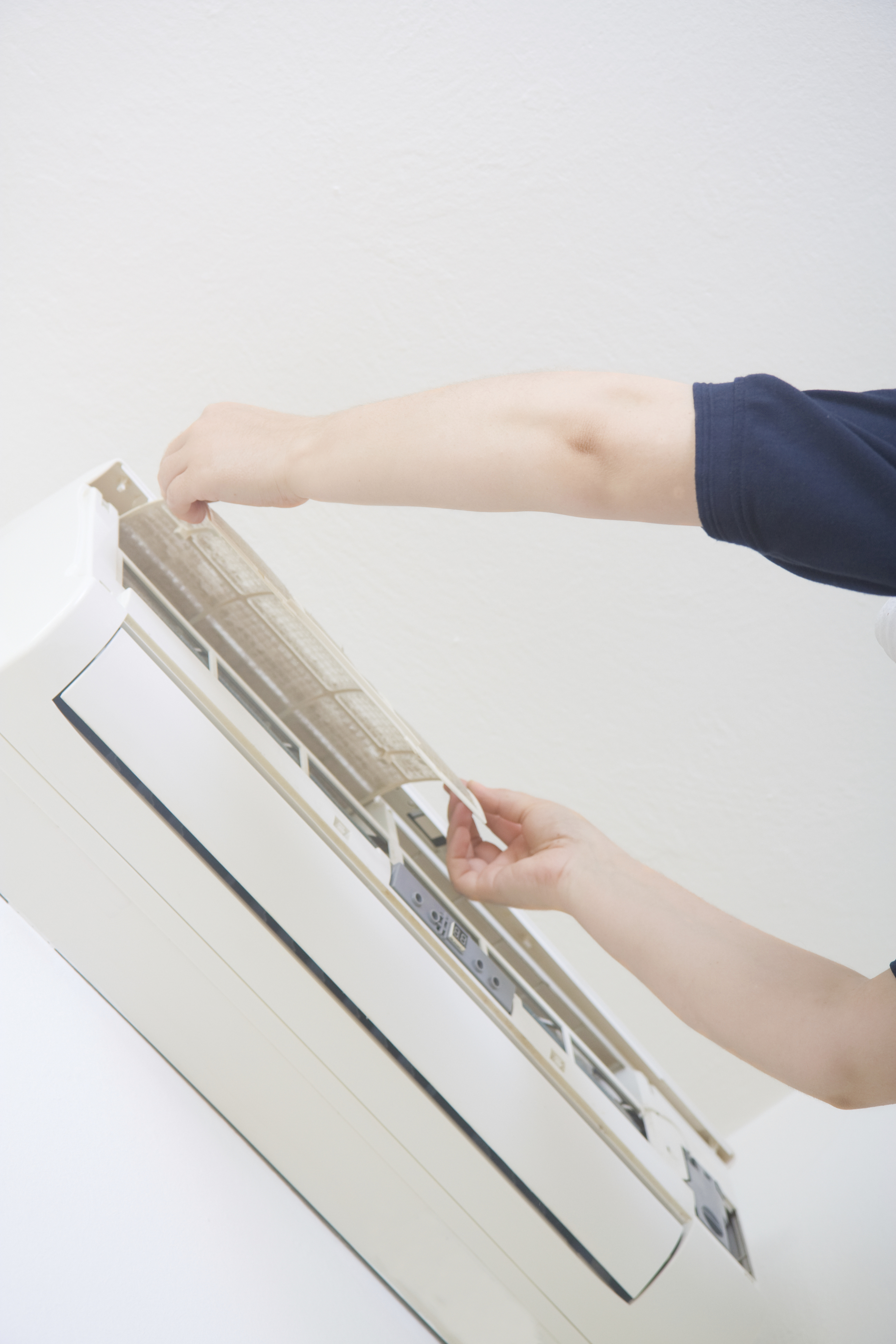
Fortunately, there are a few simple ways to help your system stay efficient. Start by replacing your air filter on a regular schedule using the type recommended for your system. A quality pleated filter helps capture more airborne particles than inexpensive fiberglass filters, but using a filter that's too restrictive can reduce airflow. If you're unsure which filter is right for your equipment, ask your technician during your next service visit.
It's also worth checking around your outdoor condenser a few times each year. Keep vegetation trimmed back, remove leaves and debris, and avoid stacking anything that blocks airflow around the unit.
Finally, don't underestimate the value of annual maintenance. A professional inspection can identify dirty coils, worn electrical components, refrigerant issues, and airflow problems before they leave you without cooling during the hottest part of the year. (Not sure how often that should be? We break it down in how often you should service your AC in Central Texas.)
When it's time to call for repair
Even well-maintained systems can occasionally fail, especially after years of heavy use in the Texas heat. If your air conditioner suddenly stops cooling, starts tripping breakers, or won't turn on during a heat wave, it's time to schedule emergency HVAC repair rather than hoping the problem goes away on its own.
Austin's climate is demanding on air conditioners, but regular maintenance and addressing small issues early can help keep your system running efficiently when you need it most.